Untitled (Basin & Range)
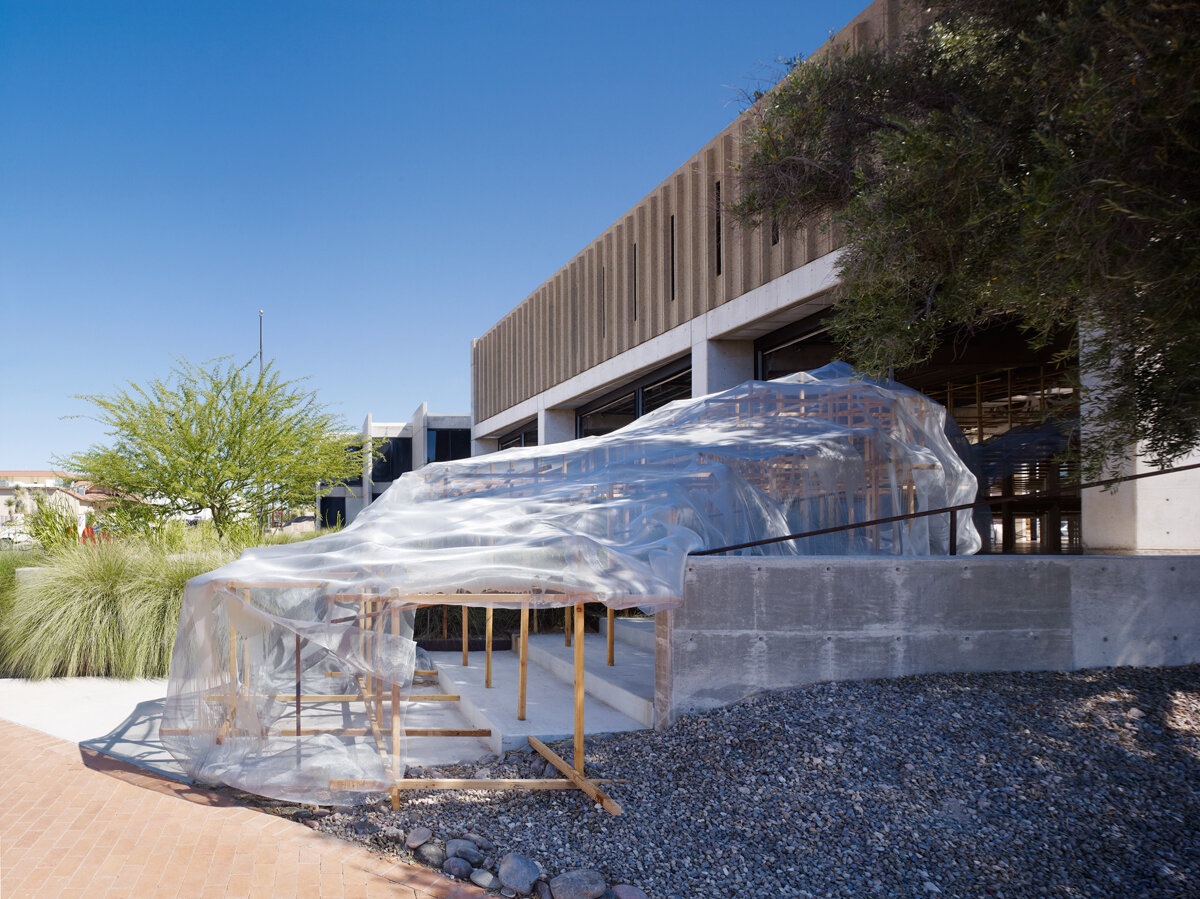
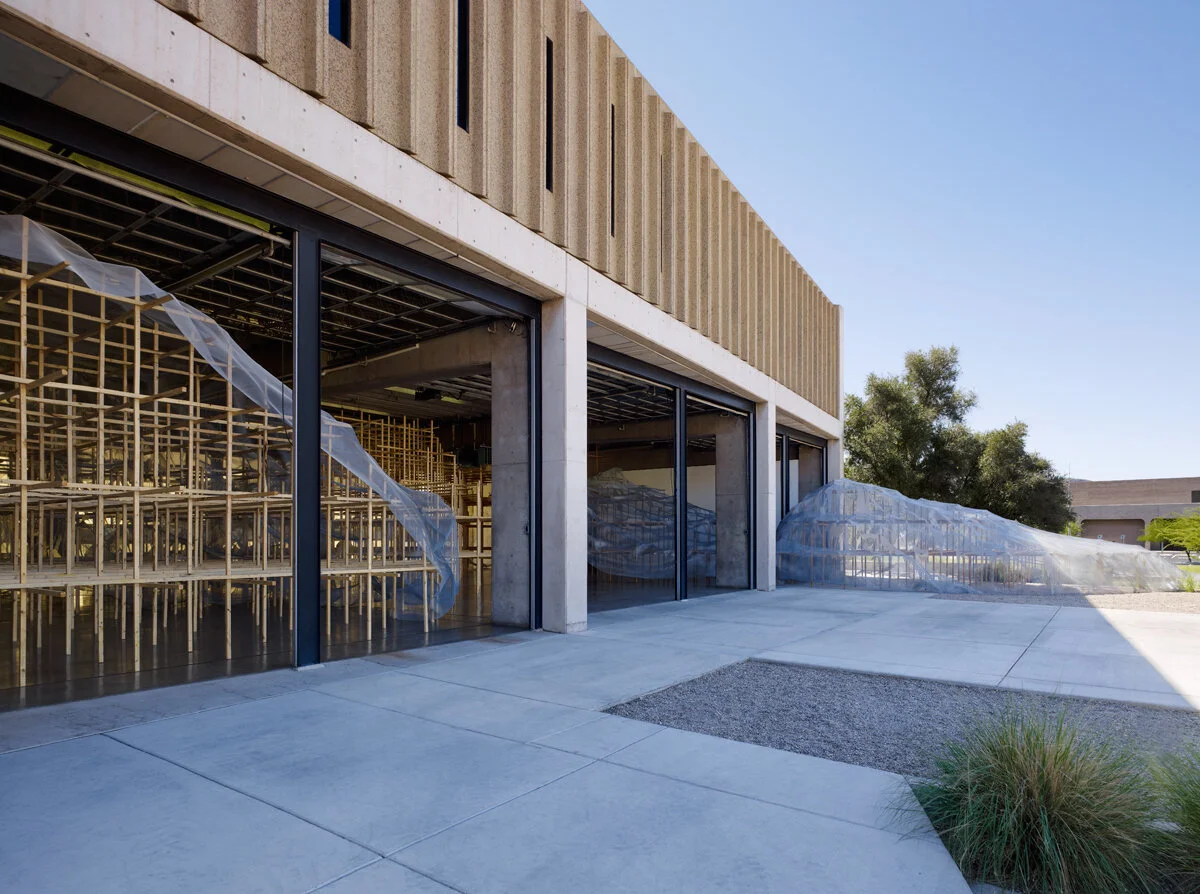
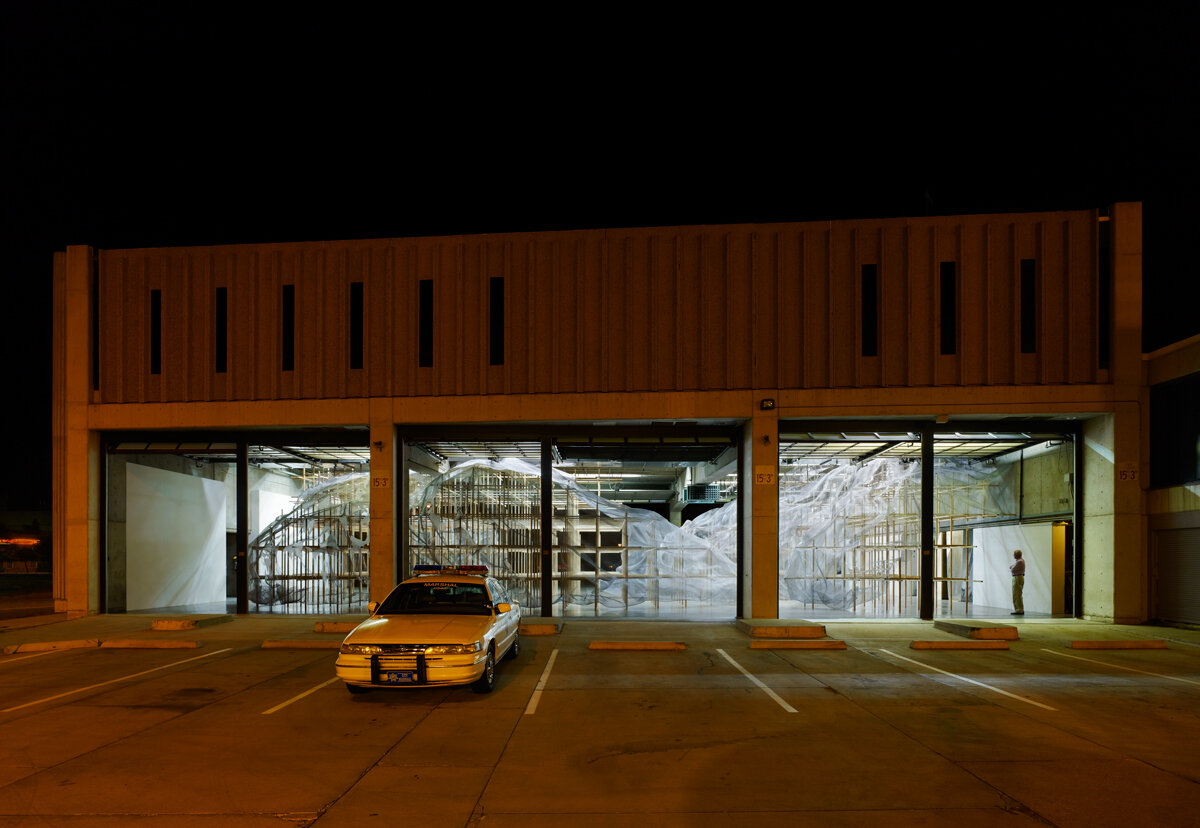
Untitled (Basin and Range) is an immersive, site-specific installation that brings an unexpected, monumental geographic feature into the Great Hall. We are used to engaging with the classic "basin and range" topography in the landscape, but constructing this landmass in a museum gallery setting radically reorients the viewer's sense of place and scale, providing an unprecedented art experience. With three simple materials and inspiration from the Western landscape viewed from his plane window as he flew toward Tucson, Alois Kronschlaeger has radically transformed the Great Hall of MOCA with Untitled (Basin & Range).

© Photo by Marc Lins
Throughout the basin and range region are extensive examples of the result of shifting tectonic plates that create our region's distinctive terrain. Moving this landscape indoors shifts our sense of both scale and of time, as we are reminded of the presence of "geological time" relative to our sense of day-to-day time. This experience is both awe-inspiring and humbling, reminiscent of Edmund Burk's notions of "the sublime and the beautiful." John McPhee, in his exquisite tome Basin and Range, suggests geology is virtually a literary exercise, a form of close reading of the landscape that also produces a "fountain of Metaphor". Displacement, disorientation, and awesome beauty are all inherent in the topology and that experience becomes incarnate in Kronschlaeger's evocative installation.


© Photo by Marc Lins
The installation is at once allusive-it is essentially a classic basin and range mountainous topography incongruously installed in a museum gallery space and easily part of a long tradition of landscape art-and ultimately higly abstract and entirely non-referential. The dizzying optical effects produced by the mesh and the continually shifting reflected and refracted light produced by the translucent paint create a highly dramatized cinematic space reminiscent of Moholy-Nagy's Light Space Modulator, writ large. The literal, figurative qualities of a mountain range desappear as the vertiginous, cantilevered moments and visual whirl of sensations create a hallucinogenic experience not unlike the space created in Robert Wiene's The Cabinet of Dr. Caligari (1919).


© Photo by Marc Lins
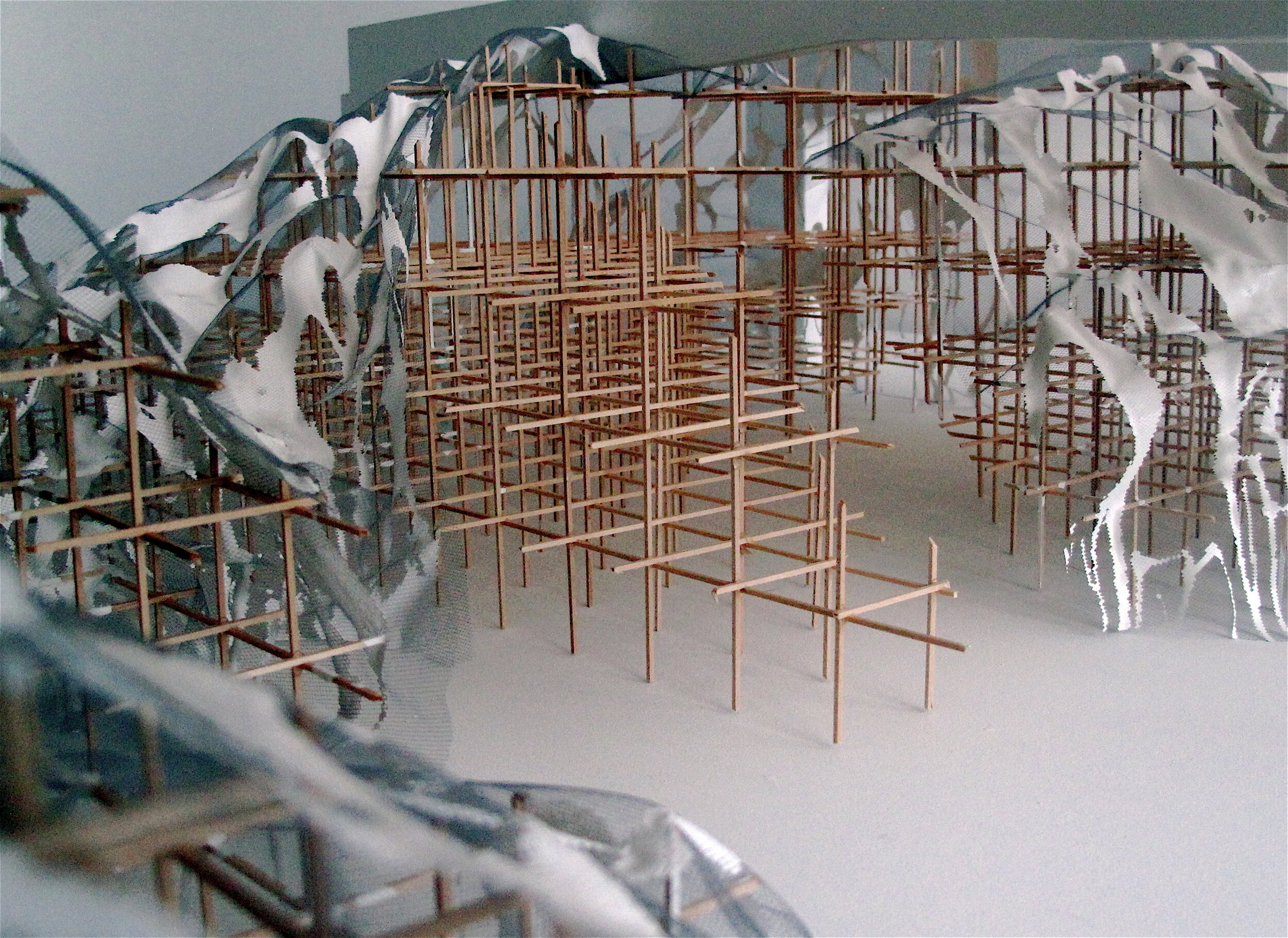
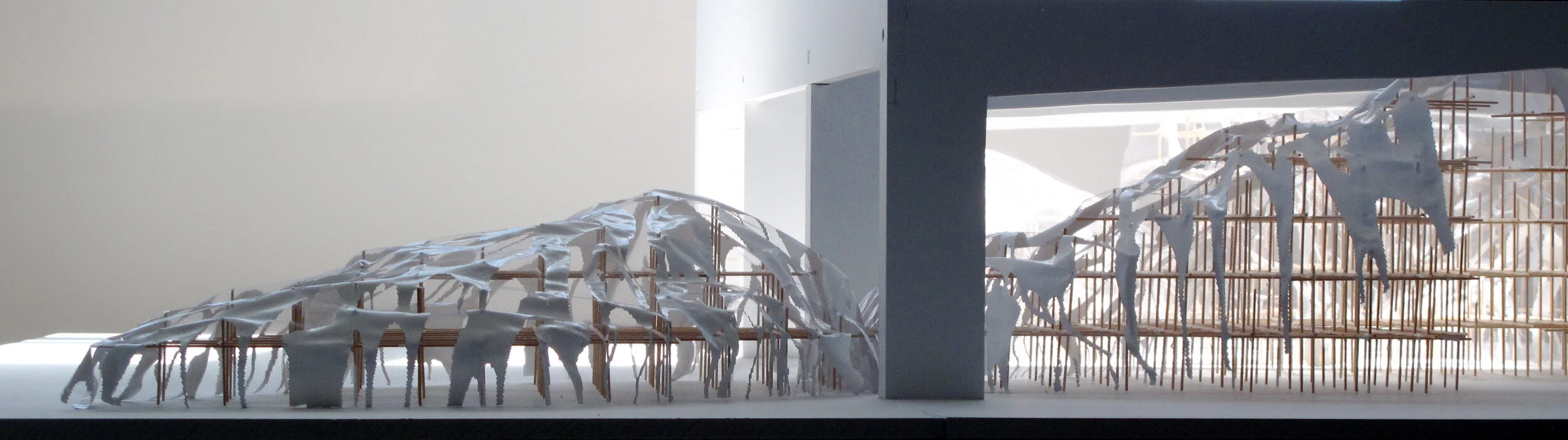
The superstructure of the installation is comprised of a wooden grid, which is then draped with wire mesh. Translucent paint is then poured over the mesh, creating a magical light environment that shifts throughout the day. The rigid rectilinear geometries of the wooden grid give way to the sensual, fractal geometries of the aluminum wire mesh. The disorienting optical effects created as one moves through the space are both profound and constantly at play as the daylight and the seasonal sun angle shift to create a perpetual "light space modulator". Kronschlaeger's work is heir to the Russian Constructivists via the so-called Minimalists of the 1960s. Primary engagements with the liminal space between architecture and sculpture interest all of these artists-essentially, how do objects psychically alter the space they occupy? How does the human body, as our primary metric of scale, relate to the altered space?

Untitled (Basin & Range) construction process video
© Video by Marc Lins
© Video by Marc Lins
© Photo by Marc Lins
Scale model